Car window tinting is popular across the United States. Many drivers choose it for comfort, privacy, and style. But every state has its own rules. If you do not follow them, you can get fined or asked to remove the tint. This guide explains the rules in very simple words so anyone can understand.
This content is written to help everyday drivers. It uses easy language and clear examples. Our goal is to help you stay legal and safe on the road.
What Is Car Window Tinting?
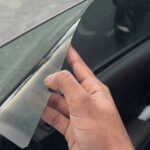
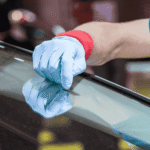
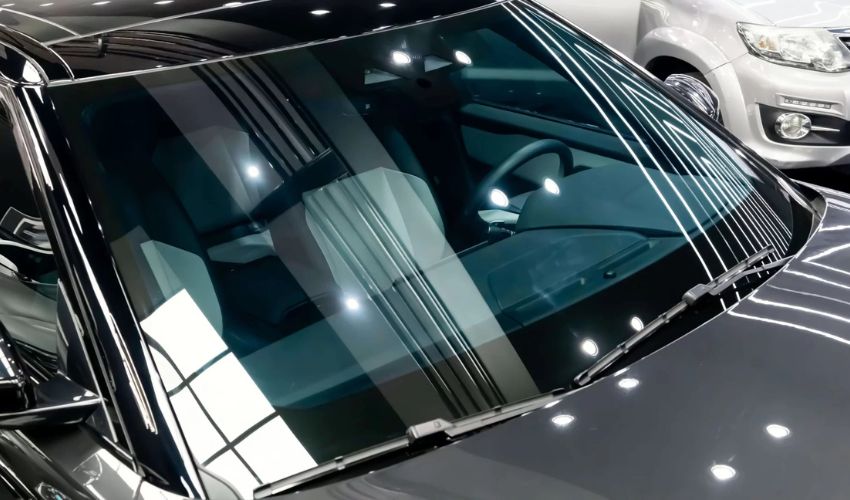 Car window tinting means adding a thin film to your car windows. This film controls how much light can pass through the glass. Some films also block heat and harmful sun rays.
Many people use car window tint film to:
- Reduce heat inside the car
- Protect skin and eyes from sunlight
- Add privacy
- Improve the look of the car
Even though it has many benefits, the law decides how dark the tint can be.
Why Window Tint Laws Matter
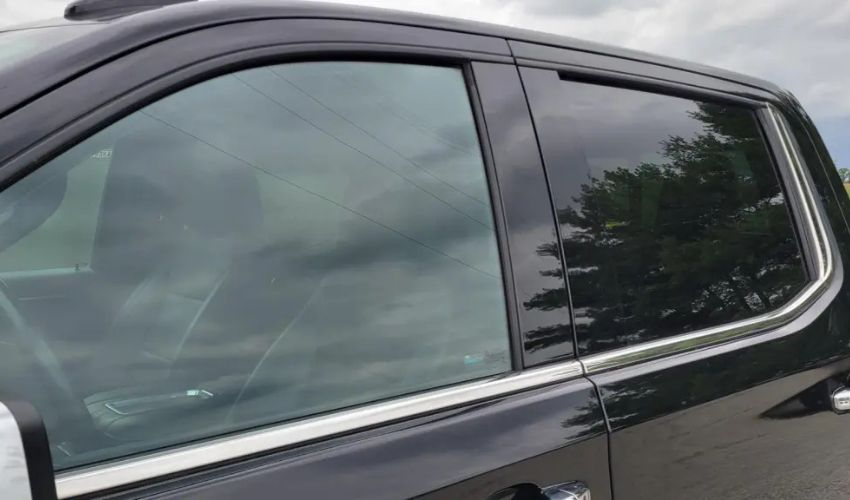 Window tint laws are made for safety reasons. Police officers need to see inside the car. Drivers also need clear vision, especially at night.
If your tint is too dark:
- You may fail a vehicle inspection
- You may get a ticket
- You may need to remove the tint
Knowing the legal car tint percentage in your state helps you avoid trouble.
How Tint Darkness Is Measured
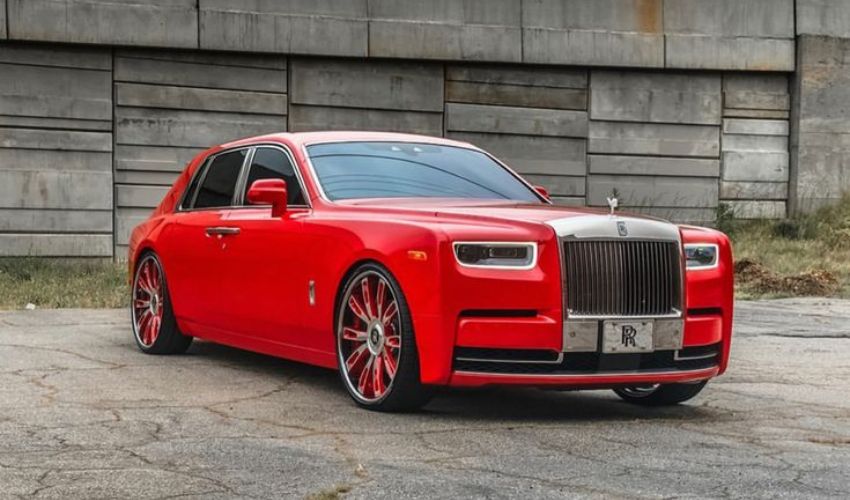 Tint darkness is measured by something called VLT. VLT means Visible Light Transmission. It shows how much light passes through the window.
For example:
- 70% means more light passes through
- 20% means very dark tint
Lower numbers mean darker windows.
Common Car Window Tint Percentages
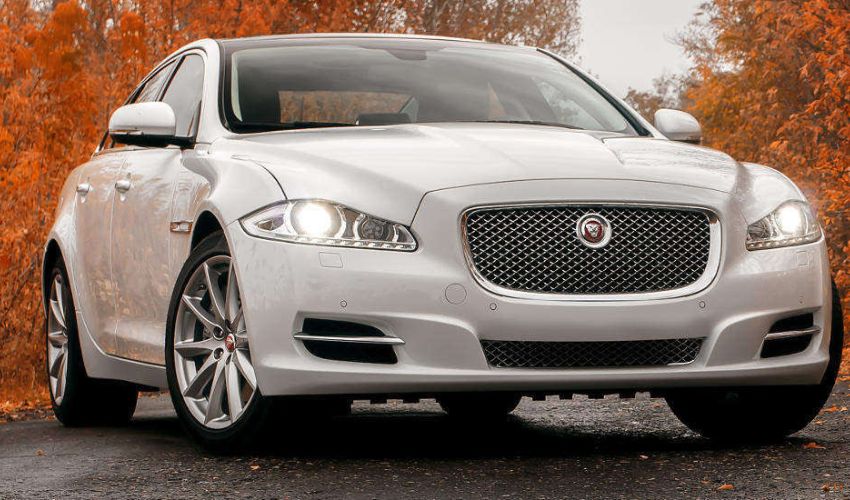 Most states set limits for different windows. These are the common ones:
- Windshield: Usually only a small tinted strip at the top
- Front side windows: Often need lighter tint
- Back side windows: Usually allowed darker tint
- Rear window: Rules vary by state
Always check your local law before choosing a tint.
Car Window Tinting Rules by State
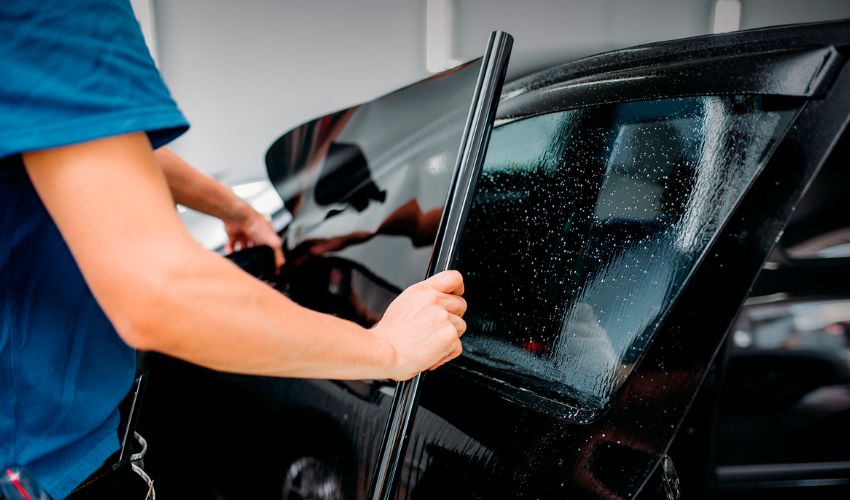 Each US state has different rules. Some are strict, and some are relaxed.
- Some states allow darker tints for SUVs
- Some states allow medical exemptions
- Some states ban reflective films
Because laws change, always double-check before installing tint.
| States | Front Side Windows | Back Side Windows | Rear Windows | Windshield | Reflectivity |
Other Restrictions
|
| Alabama | 32% | 32% | 32% | 6 inches | No more than 20% reflective | None |
| Alaska | 70% | 40% | 40% | 5 inches | No metallic or mirrored tinting |
No red, yellow, or amber tinting allowed
|
| Arizona | 33% | Any | Any | To AS-1 line | No more than 35% reflective |
Red and amber not permitted; dual mirrors required if rear tinted
|
| Arkansas | 25% | 25% | 10% | 5 inches | No metallic or mirrored tinting | None |
| California | 70% | Any | Any | 4 inches | No more reflective than standard window |
Red, amber, and blue banned; dual mirrors required if rear tinted
|
| Colorado | 27% | 27% | 27% | 4 inches | No metallic or mirrored tinting |
Red and amber not permitted; dual mirrors required if rear tinted
|
| Connecticut | 35% | 35% | Any | Above AS-1 line | Max 21% reflective |
Dual mirrors required if rear tinted
|
| Delaware | 70% | Any | Any | Above AS-1 line | No metallic or mirrored tinting |
Dual mirrors required if rear tinted
|
| Florida | 28% | 15% | 15% | Above AS-1 line | Max 25% reflective |
Dual mirrors required if rear tinted
|
| Georgia | 32% | 32% | 32% | 6 inches | Max 20% reflective |
Red and amber not allowed
|
| Hawaii | 35% | 35% | 35% | Must allow 70% light | No metallic or mirrored tinting |
Dual mirrors required if rear tinted
|
| Idaho | 35% | 20% | 35% | To AS-1 line | Max 35% reflective |
Dual mirrors required if rear tinted
|
| Illinois | 35% | 35% | 35% | 6 inches | Must be non-reflective |
Dual mirrors required if rear tinted
|
| Indiana | 30% | 30% | 30% | To AS-1 line | Max 25% reflective | None |
| Iowa | 70% | Any | Any | To AS-1 line | No excessive reflection | None |
| Kansas | 35% | 35% | 35% | To AS-1 line | No metallic or mirrored tinting |
Red, amber, yellow banned; dual mirrors if rear tinted
|
| Kentucky | 35% | 18% | 18% | To AS-1 line | Max 25% reflective | None |
| Louisiana | 40% | 25% | 12% | To AS-1 line | Max 20% reflective | None |
| Maine | 35% | Any | Any | 4 inches | Must be non-reflective |
Dual mirrors required if rear tinted
|
| Maryland | 35% | 35% | 35% | 5 inches | No law |
Red, amber, yellow banned; dual mirrors required
|
| Massachusetts | 35% | 35% | 35% | 6 inches | Max 35% reflective |
Dual mirrors required
|
| Michigan | 4 inches only | Any | Any | 4 inches | Max 35% reflective | None |
| Minnesota | 50% | 50% | 50% | None allowed | Max 20% reflective | None |
| Mississippi | 28% | 28% | 28% | To AS-1 line | Max 20% reflective | None |
| Missouri | 35% | Any | Any | To AS-1 line | Max 35% reflective |
Dual mirrors required if rear tinted
|
| Montana | 24% | 14% | 14% | To AS-1 line | Max 35% reflective | None |
| Nebraska | 35% | 20% | 20% | 5 inches or AS-1 | Max 35% reflective |
Red, amber, yellow banned
|
| Nevada | 35% | Any | Any | To AS-1 line | No law | None |
| New Hampshire | No tint | 35% | 35% | 6 inches | No metallic or mirrored |
Dual mirrors required
|
| New Jersey | No tint | Any | Any | No tint | No metallic or mirrored |
Dual mirrors required
|
| New Mexico | 20% | 20% | 20% | 5 inches or AS-1 | No law |
Dual mirrors required
|
| New York | 70% | 70% | Any | 6 inches | No metallic or mirrored |
Dual mirrors required
|
| North Carolina | 35% | 35% | 35% | To AS-1 line | Max 20% reflective |
Red, amber, yellow banned
|
| North Dakota | 50% | Any | Any | Must allow 70% | No metallic or mirrored |
Dual mirrors required
|
| Ohio | 50% | Any | Any | Must allow 70% | No more reflective than standard | None |
| Oklahoma | 25% | 25% | 25% | 5 inches or AS-1 | Max 20% reflective |
Dual mirrors required
|
| Oregon | 35% | 35% | 35% | 6 inches | Max 13% reflective |
Red, green, yellow, black, amber banned
|
| Pennsylvania | 70% | 70% | 70% | None allowed | No metallic or mirrored |
Dual mirrors required
|
| Rhode Island | 70% | 70% | 70% | To AS-1 line | No law | None |
| South Carolina | 27% | 27% | 27% | To AS-1 line | Must be non-reflective |
Red, amber, yellow banned
|
| South Dakota | 35% | 20% | 20% | To AS-1 line | No metallic or mirrored | None |
| Tennessee | 35% | 35% | 35% | To AS-1 line | No metallic or mirrored | None |
| Texas | 25% | 25% | Any | 5 inches or AS-1 | Max 25% reflective |
Red, amber, blue banned; dual mirrors required
|
| Utah | 43% | Any | Any | To AS-1 line | No metallic or mirrored |
Dual mirrors required
|
| Vermont | No tint | Any | Any | To AS-1 line | No metallic or mirrored |
Dual mirrors required
|
| Virginia | 50% | 35% | 35% | To AS-1 line | Max 20% reflective |
Red, amber, yellow banned
|
| Washington | 24% | 24% | 24% | 6 inches | Max 35% reflective |
Red, green, yellow, black, amber banned
|
| Washington D.C. | 70% | 50% (cars), 35% (SUVs) | 50% (cars), 35% (SUVs) | 5 inches or AS-1 | No law | None |
| West Virginia | 35% | 35% | 35% | 5 inches | Max 20% reflective |
Red, amber, yellow banned
|
| Wisconsin | 50% | 35% | 35% | To AS-1 line | No law |
Dual mirrors required
|
| Wyoming | 28% | 28% | 28% | 5 inches or AS-1 | Max 20% reflective |
Dual mirrors required
|
Medical Exemptions for Window Tinting
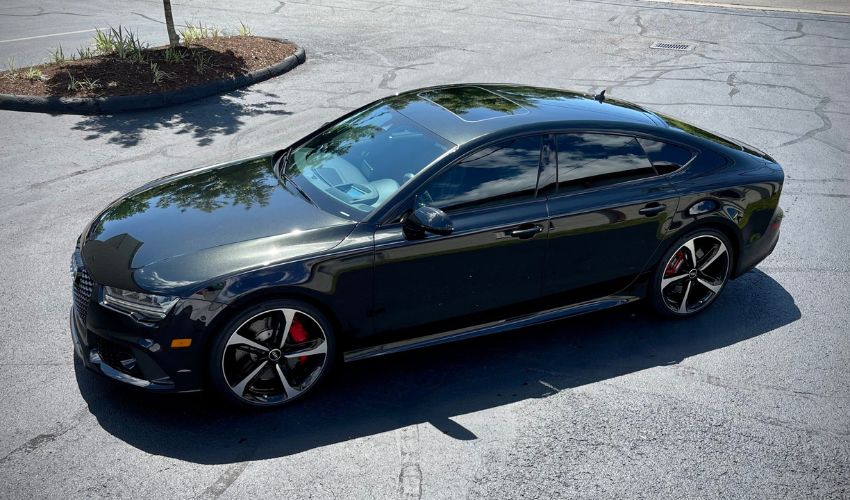 Some drivers are allowed darker tint for health reasons. This may include skin or eye conditions.
To qualify, you usually need:
- A doctor’s note
- Approval from the DMV
- Special documents in the car
Without papers, you can still be fined.
Types of Car Window Tint Film
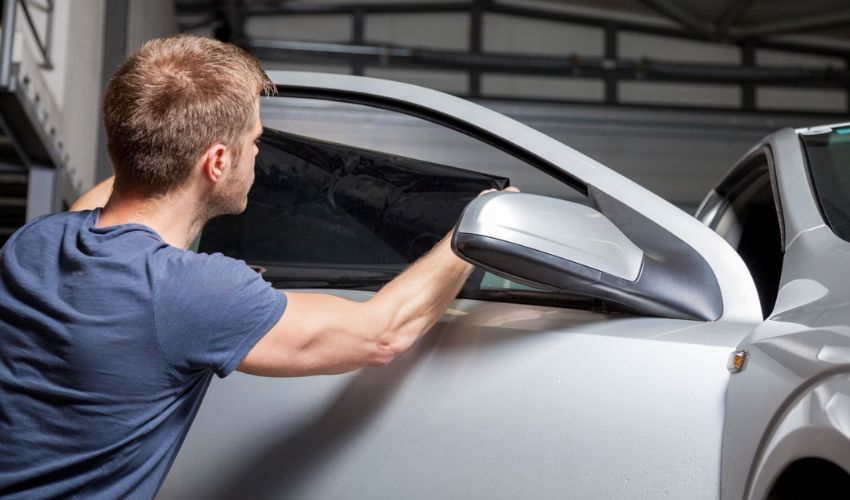 Not all tints are the same. Here are common types:
- Dyed film: Basic and affordable
- Metalized film: Strong and heat-resistant
- Carbon film: Good heat control without shine
- Ceramic film: High quality and long-lasting
Each type affects heat and light differently.
Choosing Professional Car Tinting Services
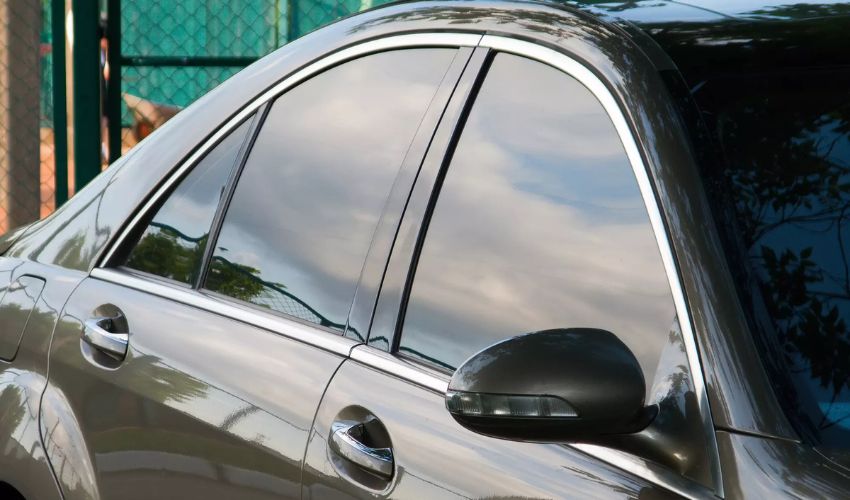 Professional car tinting services help you stay within the law. Experts know local rules and install film correctly.
Benefits of professional service:
- Clean finish
- Correct tint percentage
- Warranty support
This is safer than DIY tinting.
Can Tint Affect Car Accidents?
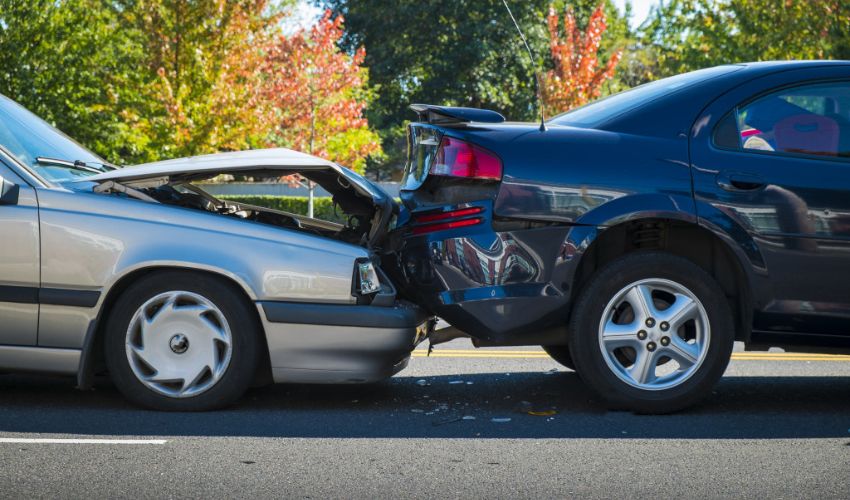 Yes, very dark tint can reduce visibility. This can increase car accident risk, especially at night or in rain.
After an accident, illegal tint may:
- Be used against you
- Cause insurance problems
- Create legal issues
This is important in accident-related cases.
Window Tint Laws and Legal Claims
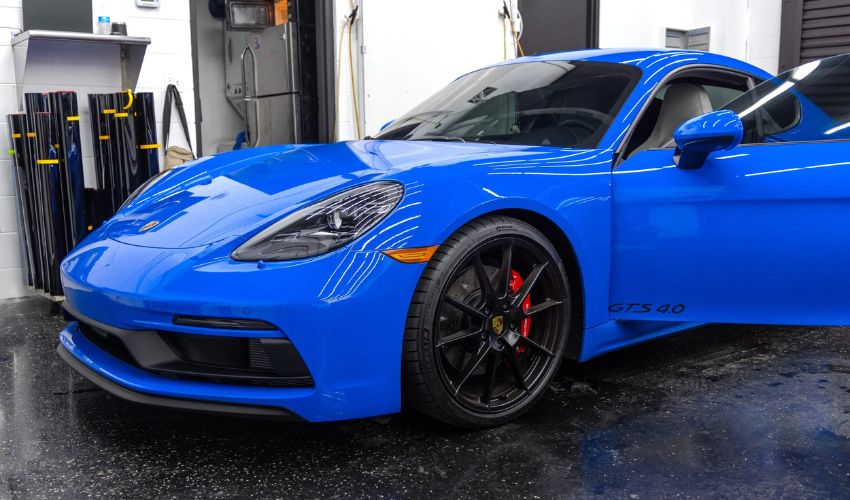 In accident cases, vehicle condition matters. Illegal tint may impact fault claims.
If you were hit by a truck or another vehicle, details like tint, visibility, and road safety may become part of the case.
Understanding these rules helps protect your rights.
How to Stay Legal With Window Tint
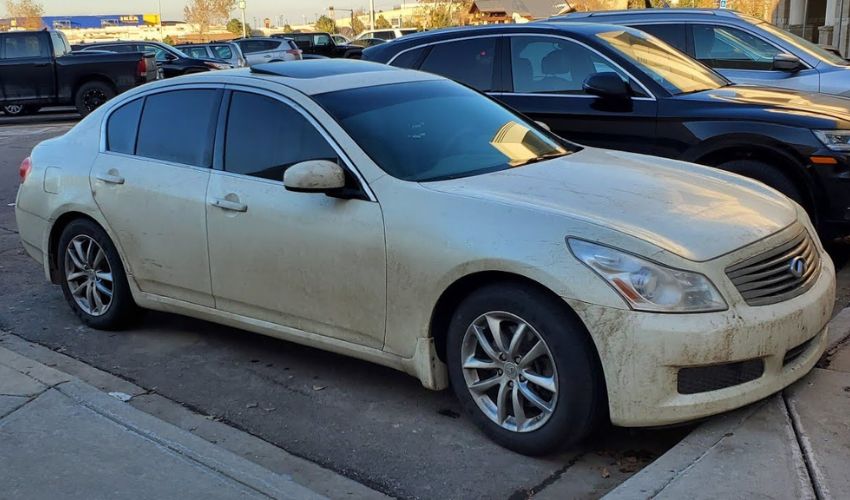 Follow these steps:
- Check your state law
- Choose the right tint percentage
- Use trusted installers
- Keep exemption papers if needed
This saves time and money later.
Final Thoughts
Car window tinting can be helpful and stylish. But laws must be followed. Every state has its own limits, and ignoring them can cause trouble.
This guide gives you a clear and simple idea of how tint laws work across the US. Always stay informed, drive safely, and choose legal options for your vehicle.
If you have questions related to accidents, vehicle safety, or legal issues after a crash, getting the right legal guidance matters.